
|
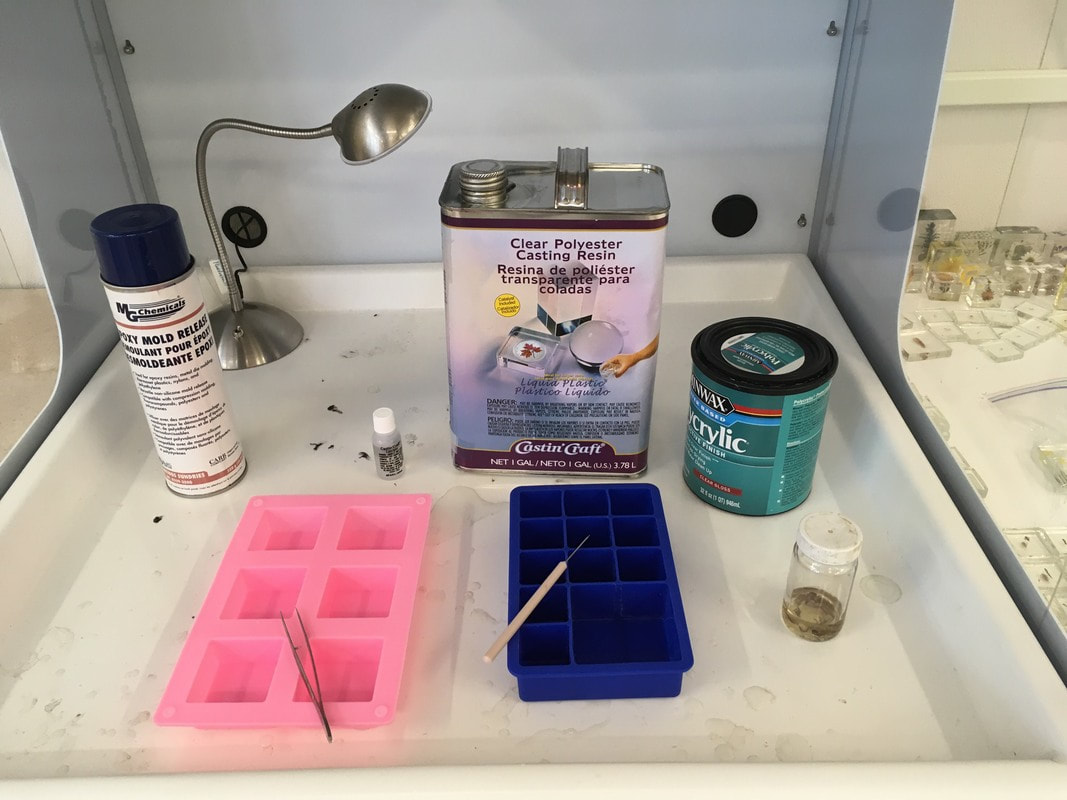
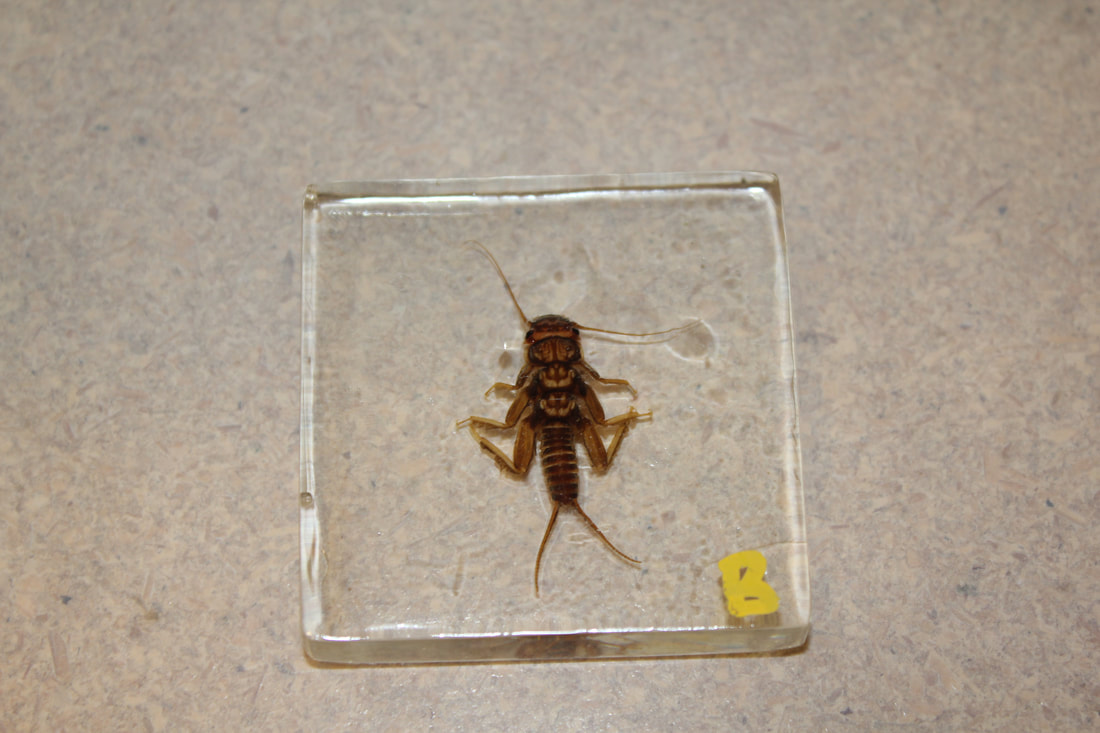
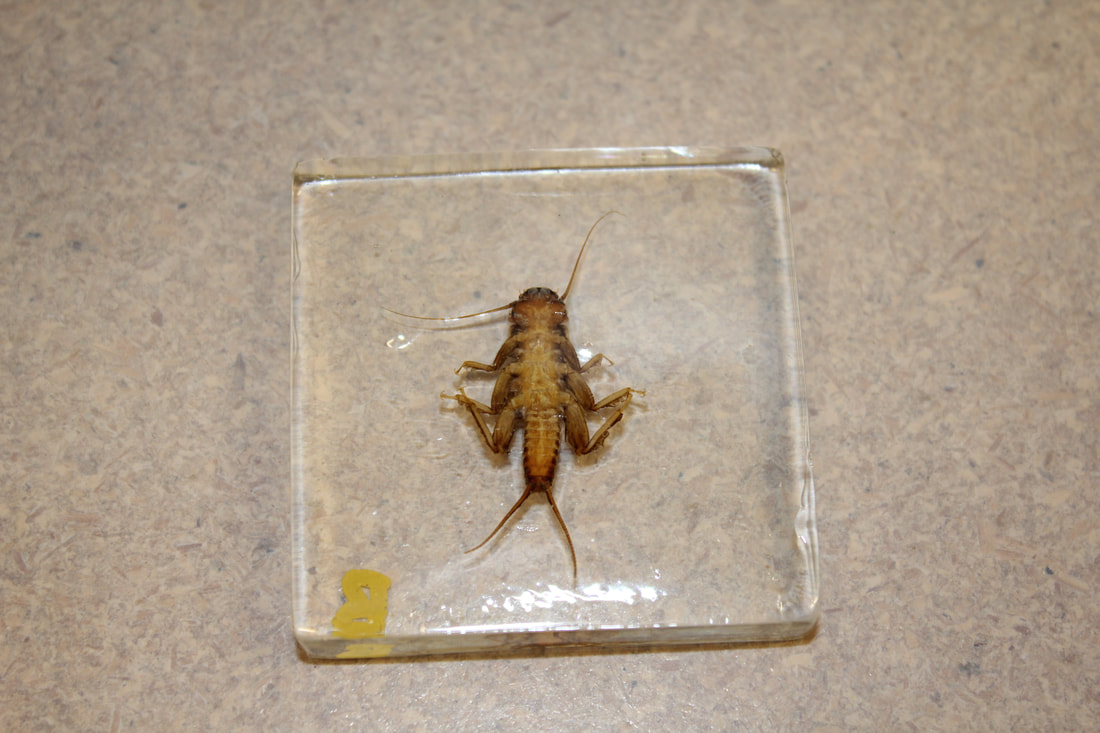
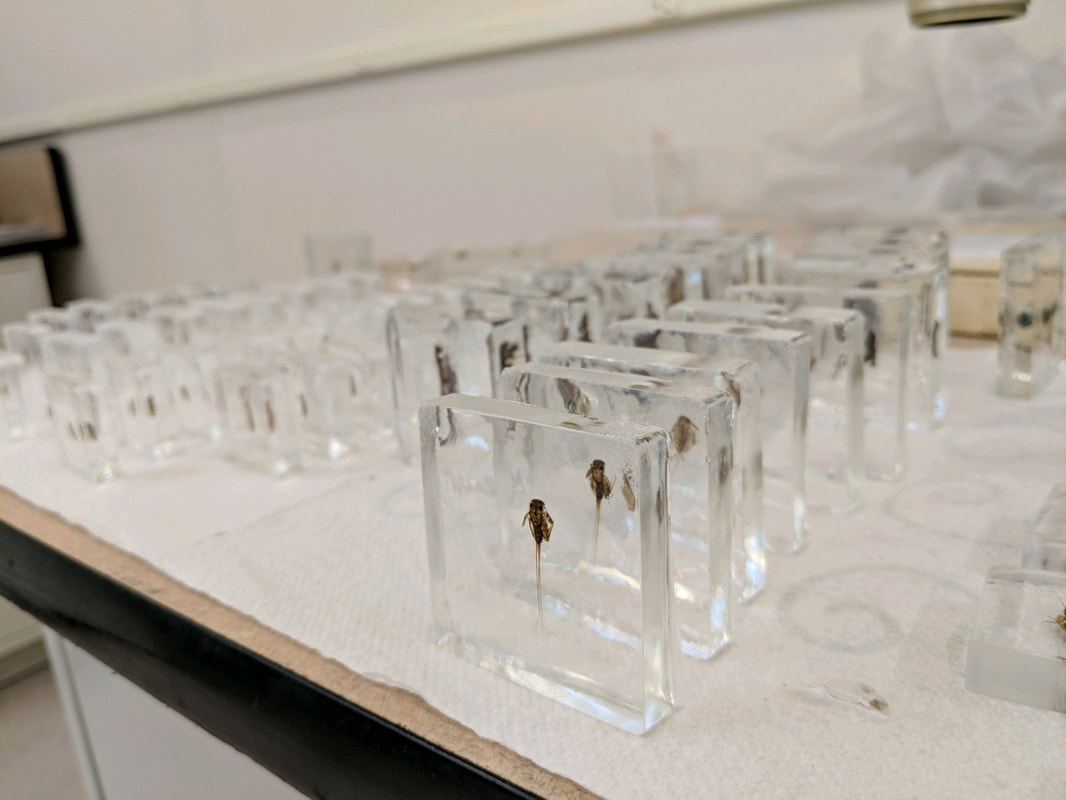
byAndrea Kautz and Dan Kozel, Powdermill Nature Reserve Dan Kozel of Powdermill Nature Reserve has worked over many months to perfect a procedure to cast macroinvertebrates in acrylic blocks for use in the classroom. These blocks are a great way to transport and distribute normally very fragile aquatic insect specimens without destroying them. It also helps learners see the real-life scale of these insects. They can be put under microscopes to be viewed from all angles and are a great tool to use in training exercises. Dan was able, through lots of experimentation, to figure out a method for casting these delicate insects in acrylic while avoiding the common issues like bubbles and shriveling. You can download his instructions (PDF) for creating them here: 
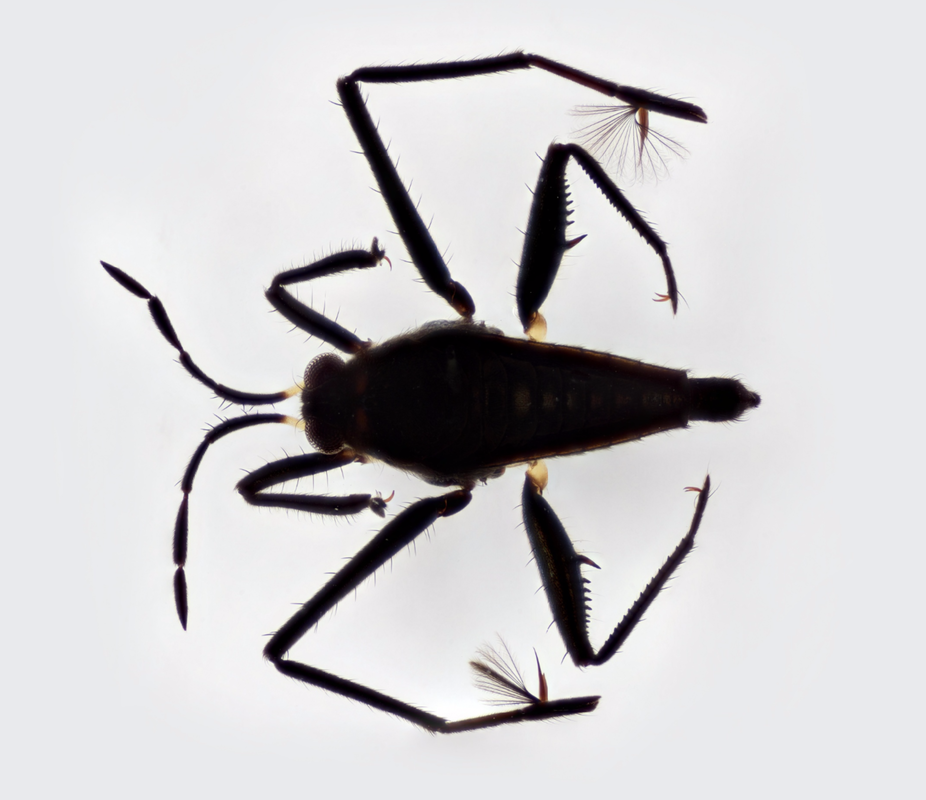
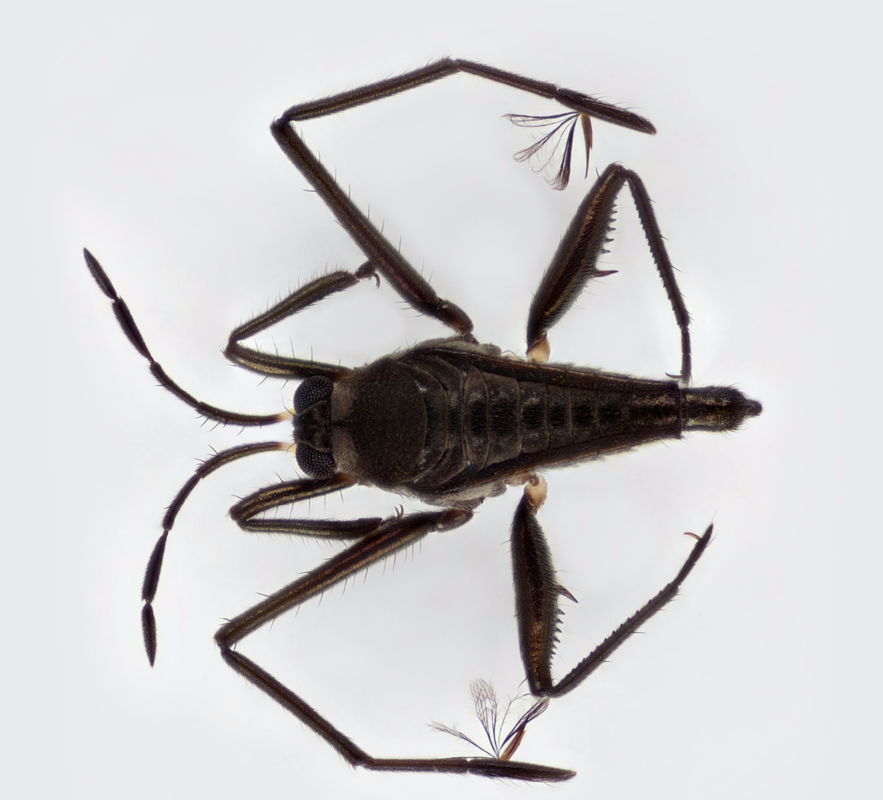
 Now we have several complete training sets of macros that can be used with a wide variety of audiences in conjunction with macroinvertebrates.org. A big thanks to Dan for all of his hard work! By Andrea Kautz Here is a great example of how much of a difference imaging in fluid vs. imaging a dry specimen can make. Here, I tried imaging a small water strider, family Veliid first wet and then dry. I wasn't sure how the feathery swimming plumes would respond to drying out so I imaged it wet first in case they broke. It turns out that imaging dry is much better for revealing detail and texture relief, especially for a specimen with a dark body, By Andrea Kautz I've learned a lot about macrophotography since starting on the macroinvertebrates.org project in December. Using the GIGAmacro machine is certainly many steps up from a standard microscope automontage set-up that I was used to. Thanks to some coaching by Gene Cooper at GIGAmacro and some equipment upgrades, we have finally got the process optimized for our needs and much more streamlined. We received a higher-quality lens with a new diffuser in June that has produced sharper images. By Andrea Krautz Powdermill's Entomologist Andrea Kautz attended the Entomological Society of America's annual meeting for the North Central Branch in Cleveland, OH to present a poster (below) on www.macroinvertebrates.org project. Being a meeting full of entomologists, many enthusiastic visitors dropped by her poster. Some were interested in aquatic entomology, while others were interested in gigapixel image technology and how it may apply to their area of study. The project received some positive feedback on the layout and functionality of the website, as well as suggestions for improvements such as iincluding aquatic macro collection protocols, or instructional videos, for a more complete teaching and learning package. Few people seem to be aware that imaging technology has come this far, and are very impressed at what we are able to achieve! 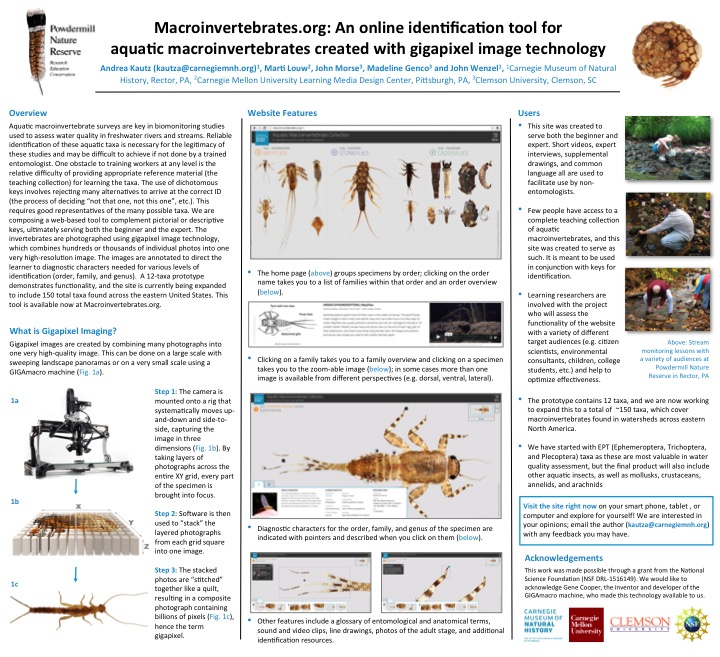 One of the more challenging and important parts of our project is capturing ultra-high resolution, focus-stacked images ("GigaMacro" or "GigaPan" images) of fairly tiny specimens of the macroinvertebrates in our growing teaching collection. Part of making sure we are generating a high-quality online teaching resource is making sure that our equipment and, perhaps even more importantly, our techniques, are utilizing the best possible practices in all respects. This means experimenting to figure out what works best for the different sorts of insect specimens! For the first experiment, our image specialist and entomologist, Andrea, prepared the insect specimens to be photographed by placing them in small, round containers. The camera takes the photos from the top, so there are were several options we wanted to test: do the images look better (in terms of lighting, etc) if the insects are photographed in an opaque container, or one with clear sides? There was no definitive answer to this question as far as we could find, so Andrea conducted this (and other) experiments to find out. Most of the aquatic insects to be imaged for this teaching collection are preserved in ethanol, but because it evaporates so quickly, and the specimens can move around in it, Andrea uses a mixture of ethanol and alcohol gel (aka hand sanitizer) to capture the images. Here is Andrea's description of the technical aspects of this experiment: Both trials were in gel and ethanol, DOF 0.05, ISO 100, flash at 1/16, shutter speed 1/100, and F aperture 6.3. Here are the results: 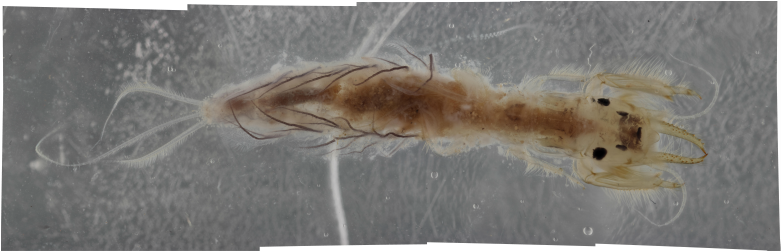 Test 2: Dorsal view of order Ephemeroptera, Family Polymitarcydae, Genus Ephoron in clear container. 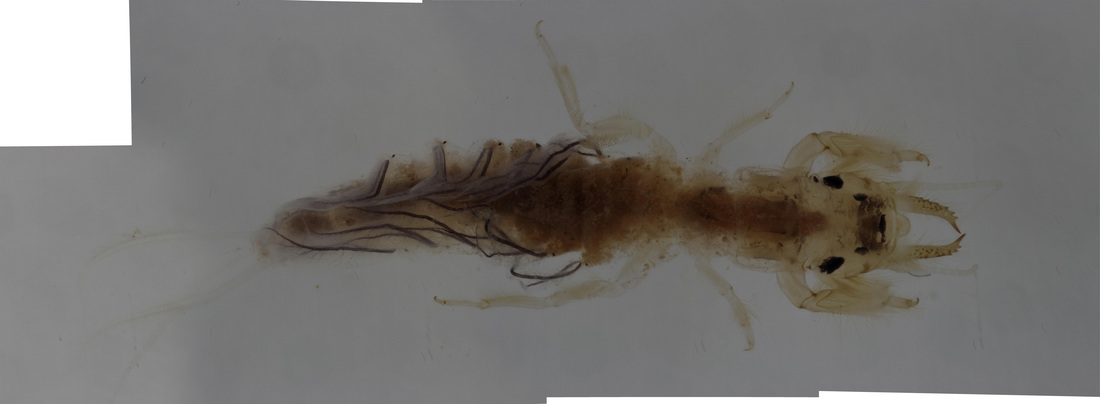 Test 1: Dorsal view of order Ephemeroptera, Family Polymitarcydae, Genus Ephoron in opaque container. On March 23, we visited our imaging specialist and entomologist at Powdermill Nature Reserve, and documented some of her process for taking high resolution, focus-stacked, zoomable images (see some examples here: www.gigapan.com) with Dr. Richard Palmer, an expert in high resolution macro photography who gave us some advice on process, lighting and equipment.
In the gallery above you'll see a few photos of the imaging process at work using Gene Cooper's GigaMacro rig. |
Project TeamAn interdisciplinary team Categories
All
Archives
June 2023
|
||


 RSS Feed
