
|
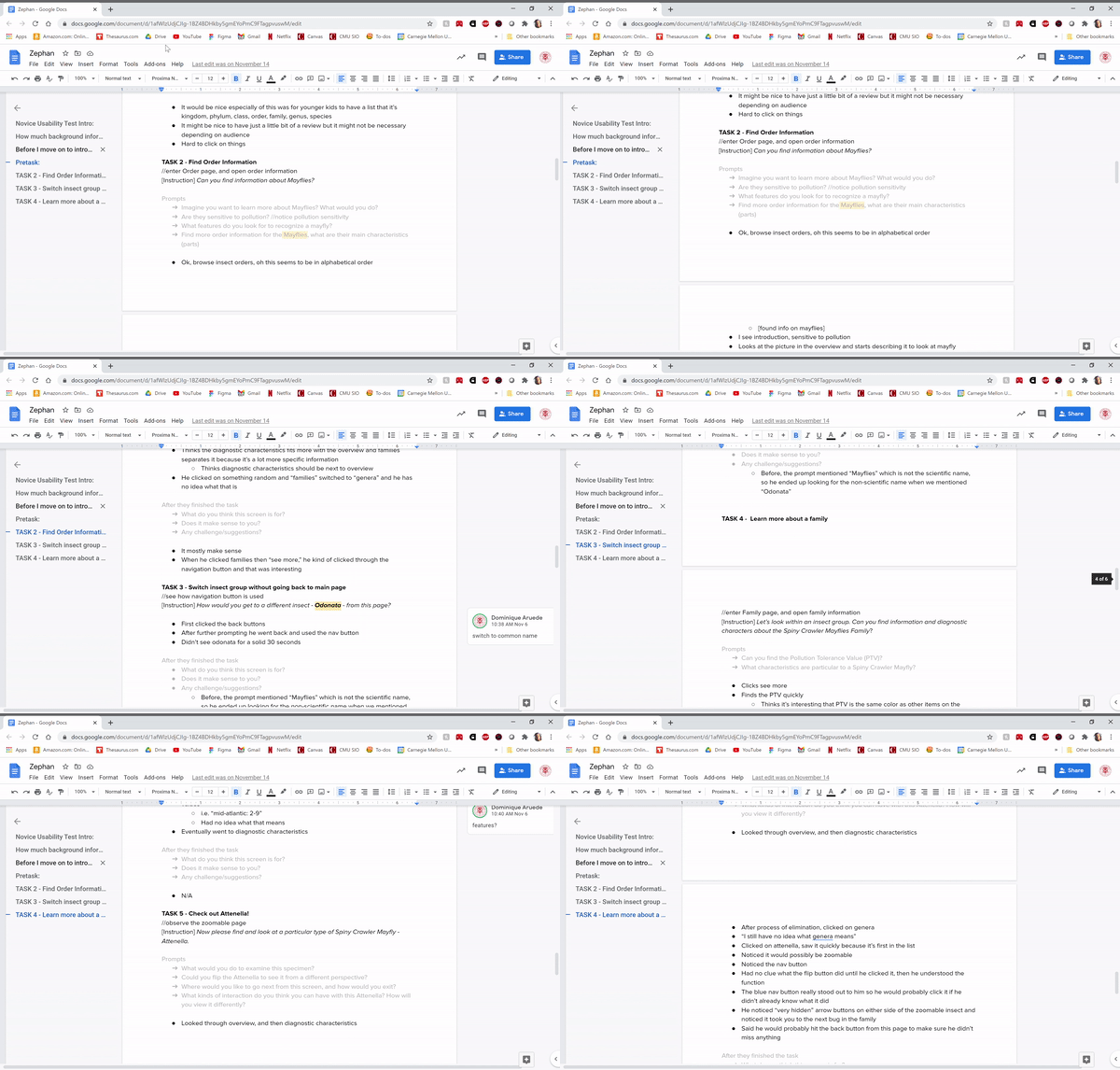
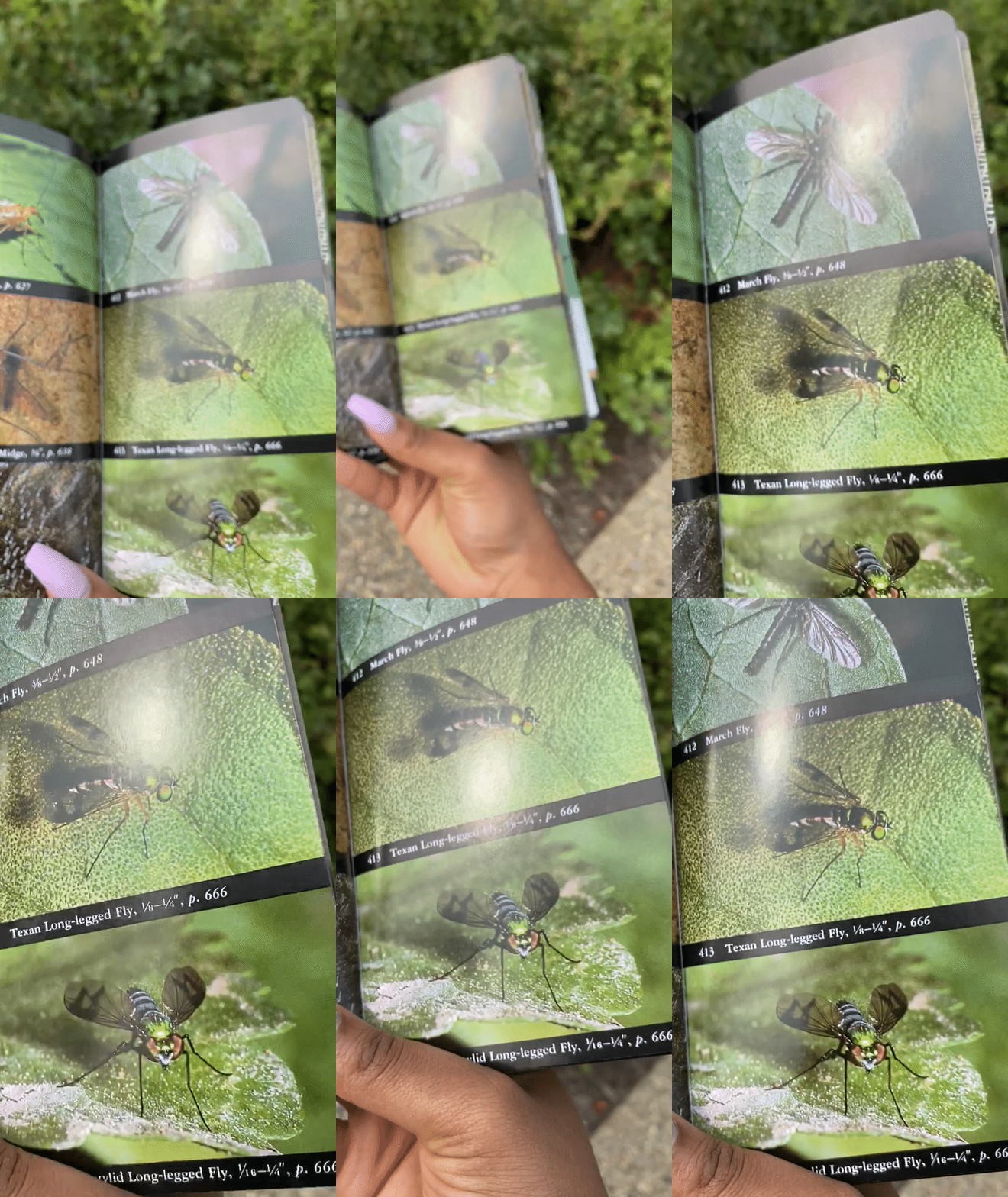
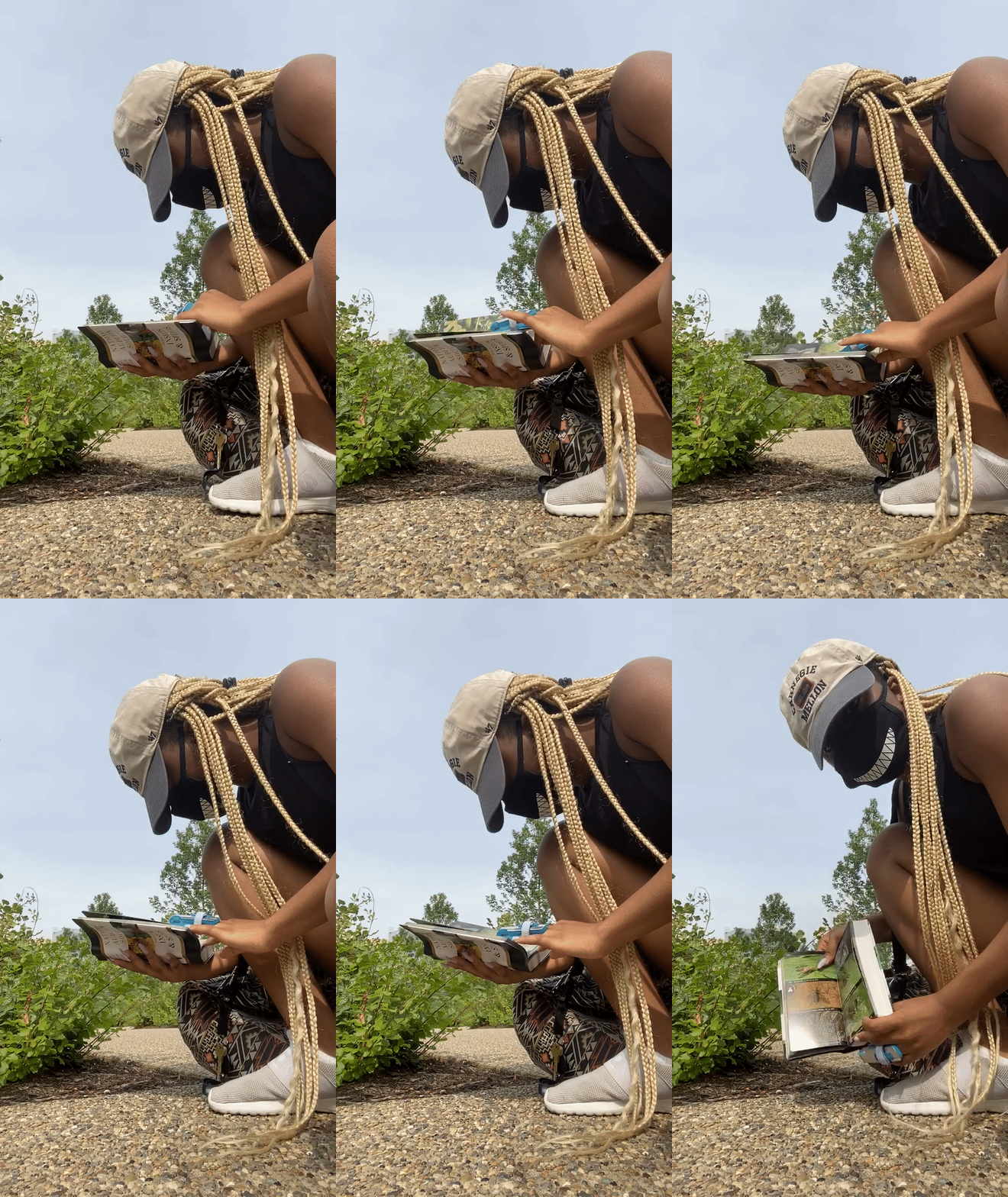
By Dominique Aruede, CMU Cognitive Psychology When I joined, the quiz section had not been developed at all in favor of refining and refreshing the ID key and field guide which are more directly interpreted from the original website. Consequently, it was important to gather human-centered data again in order to assess the efficiency of the current design and determine if we could branch out to the quiz or keep working on the current designs. First Task: Audubon Field Guide Walkthrough & Modeling I spent a little time doing some exploration with a physical field guide and noting how it maps to real-world use and facilitation of citizen science. This step was particularly useful for getting my bearings on what the purpose of the Macroinvertabrates.com project is, how insect identification fits in, and how it works. Second Task: User Testing We conducted several user tests on insect ID experts and novices alike, with a focus on novice user experience from high schoolers and other young students. The purpose of these usability tests was to gauge the design direction of our second iteration and to gather more user input to launch into the next iteration. We reused the protocol from the first round of user testing and changed the questions to capture answers on our new inquiries:
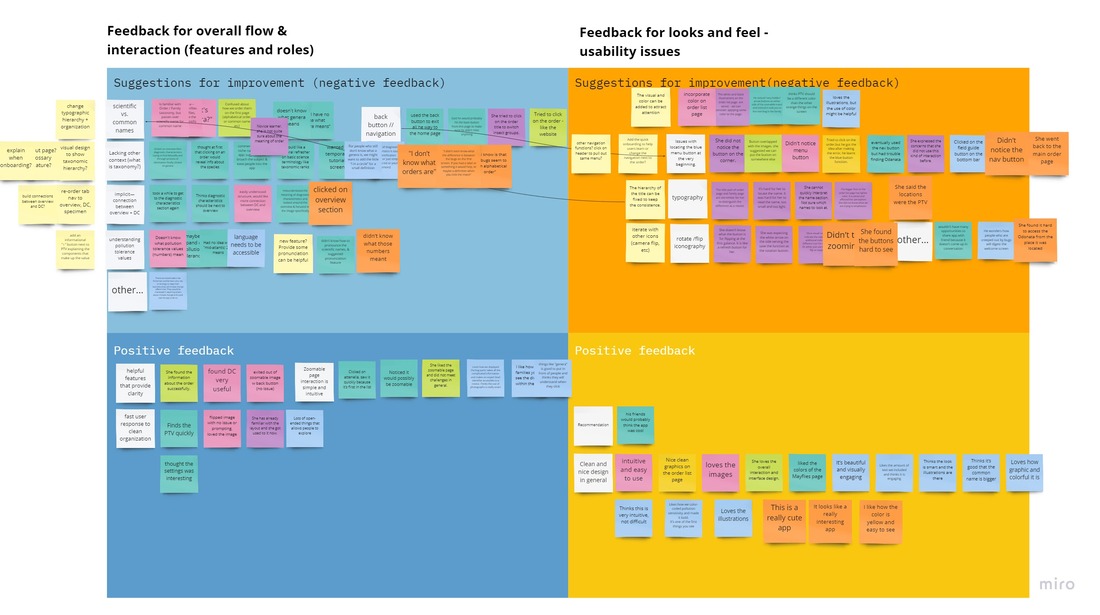
 The results revealed to us that the field guide was indeed informative, but subsequently neglected some utilitarian features that would be helpful for novice users. This helped to inform the learning goals and first iterations of the quiz design. Below is an affinity diagram of the synthesized insights. It includes
 Third Task: Quiz Design The earliest version of the quiz was a rough sketch I drew up in Figma, but it did not have any learning goal or research claim behind it besides identifying some image as belonging to an order. These are the sketches below.
After further visualization, we wrote out the learning goals we thought would be the best to target in quiz mode based on the insights gleaned from the previous affinity diagram. The learning goals are summarized here:
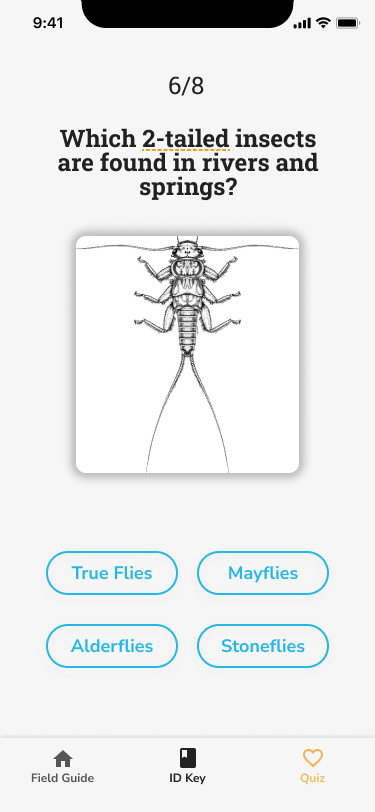
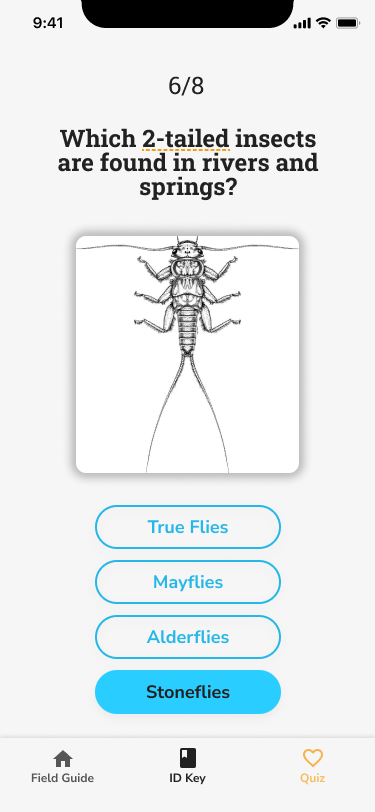
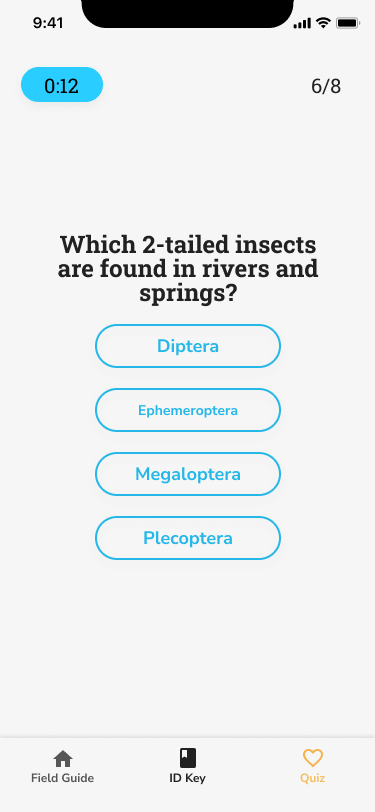
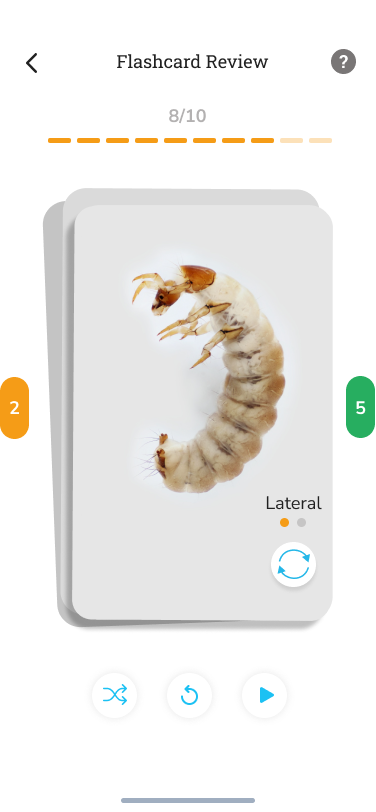
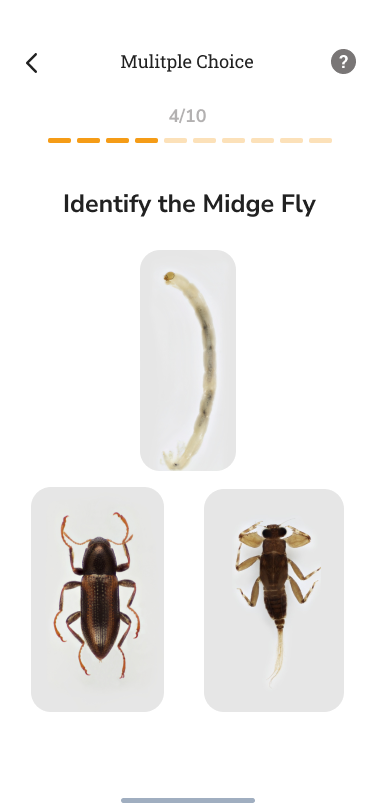
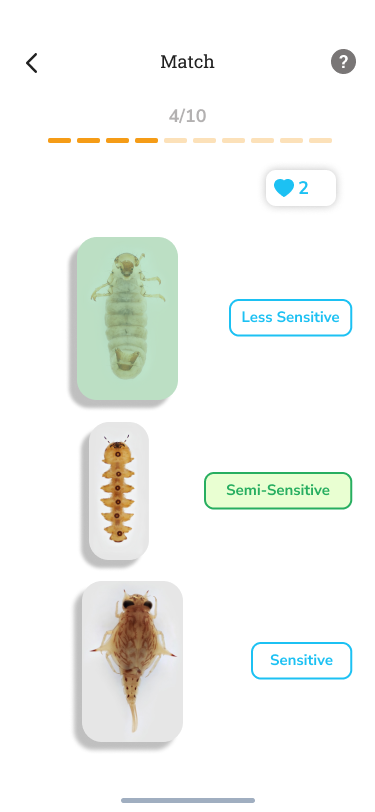
After we gathered our quiz references, including Quizlet and Duolingo, we used our learning goals to consolidate designs for one flow of the quiz section. Users select their quiz type first, then their learning goal. An alternative flow that we are yet to explore involves switching those two options. Then we incorporated three quiz types: a flash card review, multiple choice quiz, and a matching quiz. We drew this up on Figma and discovered a few issues/limitations
Afterwards we consulted our collaborator, who is an expert in aquatic macroinvertebrate education to give her opinion on the content and direction. From her insights, we decided to scrap learning PTV as a learning goal due to the inaccuracies of generalizing at the order level.
The next steps we plan to take include developing all the content necessary for accurate quizzing, fleshing out the flashcard review, the between order quiz learning goal for all quiz types, the common features learning goal for all quiz types, the common mistakes learning goal for all quiz types, exploring a new learning goal: “learning life history and fun facts about insect orders” as a deck in the flashcard review, and testing the usability and flow of our current design. Comments are closed.
|
Project TeamAn interdisciplinary team Categories
All
Archives
June 2023
|
 RSS Feed
